
 EN
EN
 AR
AR
 BG
BG
 HR
HR
 DA
DA
 NL
NL
 FI
FI
 FR
FR
 DE
DE
 EL
EL
 IT
IT
 JA
JA
 KO
KO
 NO
NO
 PT
PT
 RO
RO
 RU
RU
 ES
ES
 SV
SV
 TL
TL
 IW
IW
 ID
ID
 SR
SR
 UK
UK
 HU
HU
 MT
MT
 TH
TH
 TR
TR
 FA
FA
 MS
MS
 GA
GA
 IS
IS
 EU
EU
 BN
BN
 LO
LO
 LA
LA
 SO
SO
 KK
KK
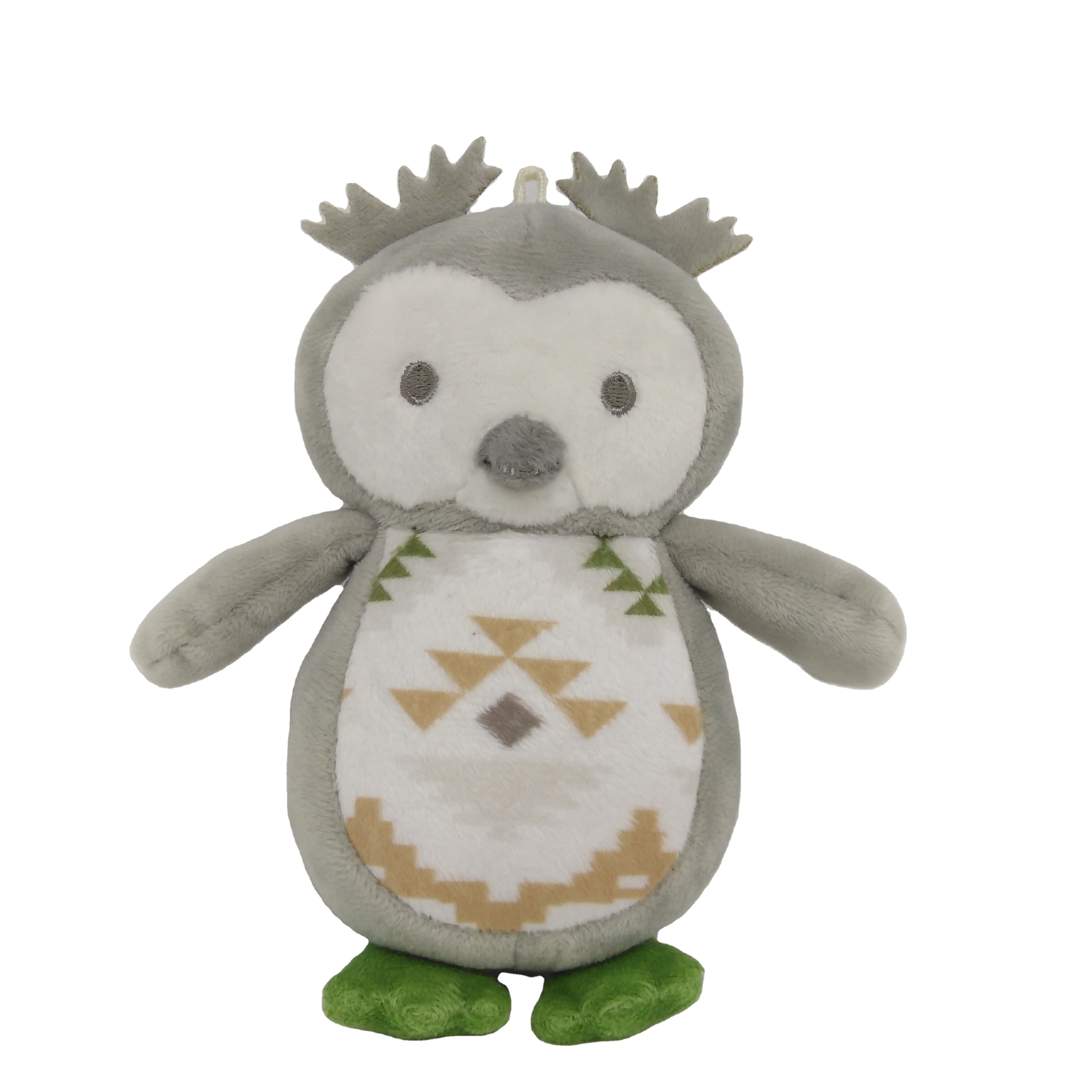
The Science Behind Stuffed Animals and Anxiety Relief
Neurobiological Impact: How Touch Lowers Cortisol and Activates Calm Responses
Touching soft things actually changes what happens inside our bodies in ways that help fight off anxiety. Kids who抱 (hug) their stuffed animals trigger something interesting in their skin's pressure sensors. These tiny messengers tell the brain to cut down cortisol levels maybe around 30 percent lower and kickstart the part of the nervous system that slows down racing hearts and brings about calm feelings pretty quickly after just a few minutes. The consistent feel of those fluffy toys acts like an anchor when kids are stressed out, pulling their minds away from all that fight or flight stuff toward calmer thinking patterns. For小朋友 (children) who struggle with how they process sensations from the world around them, these little buddies can be lifesavers in managing overwhelming situations day to day.
Oxytocin, Predictability, and Emotional Regulation in Children
Soft toys help trigger the release of oxytocin, sometimes called the bonding hormone that makes people feel safe and trusted. When kids play with these stuffed friends again and again, they start connecting them mentally with feeling secure. This kind of regular interaction creates a sense of what's going to happen next, which helps little ones learn how to calm themselves when things get uncertain. Research shows something interesting too: kids who have their special blanket or stuffed animal nearby during stressful moments recover emotionally about two thirds quicker than those who don't. These comforting items become sort of training wheels for developing better emotional awareness and learning to bounce back from tough situations.
Stuffed Animals in Real-Life Anxiety Scenarios
Easing Separation Anxiety During Preschool Transition and Parental Absence
Soft toys offer real comfort when kids face tough separations such as going to preschool for the first time or when parents need to be away. These little companions act as something between the child and the world, helping to calm down those stressful moments when their bodies start reacting with stress hormones. Studies have found that kids who bring their favorite stuffie to school show about 30% less crying and fussing at drop off times than those who don't. Just holding onto something familiar triggers feelings of safety and love inside them. When mom or dad are gone for longer periods, these toys become important links to home life. They help keep things feeling normal with regular cuddles before bed, and they're easy to carry along for trips or visits between homes. Many parents report seeing how these simple plush friends actually make a big difference in how their children handle being apart.
Supporting Kids Through Nighttime Fears, Medical Visits, and Environmental Stressors
Kids who deal with scary situations, doctor appointments, or really intense environments often find comfort in their stuffed animals. These familiar friends can actually help calm down those automatic fear reactions when visiting doctors, since they provide something to focus on and offer gentle touch sensations. Studies show that holding onto plush toys during storms or fireworks events can drop kids' heart rates around 15 beats per minute. When hospitalized, stuffed animals become important tools for doctors to see how upset a child might be. They also act as something to hold onto during treatments, help regulate senses in too-bright or too-loud places, offer emotional support in new surroundings, and even help kids sleep better at night without bad dreams because they're there every bedtime. This kind of comforting effect works for all sorts of life changes too, whether families move houses, start new schools, or face unexpected events like earthquakes or floods, helping kids keep some sense of normalcy even when everything else seems chaotic.
Healthy Attachment vs. Over-Reliance: When Stuffed Animals Support Growth
Recognizing Adaptive Use Versus Avoidant Coping Patterns
Kids tend to grab their favorite stuffed animals when feeling anxious, which is pretty common during certain stages of growing up. The difference between healthy attachment and problematic dependence comes down to how the toy fits into daily life. When a child takes comfort in their plush friend for just a minute before running off to play with friends, or brings it along to doctor appointments as a kind of security blanket, that's usually fine. But problems start showing up when kids become so attached they refuse to go to school without their stuffed companion, throw tantrums whenever separated from it, or basically use it as an excuse not to interact with others at all. Some research suggests around 15 percent of children might get too dependent on these toys during stressful times like moving houses or starting new schools. Keep an eye out for signs of rigidity too. If losing the stuffed animal leads to hours of crying or makes it impossible for the kid to do regular things like eat meals together as a family, then maybe talking to someone who knows about child behavior could help. While having a stuffed animal can definitely help little ones calm themselves down and build emotional strength, getting stuck on one specific object might actually hold back their ability to cope with challenges later on. Most parents find success by slowly introducing situations where the toy isn't needed, especially during calmer periods, while still letting the child know it's there if they ever need extra comfort.
FAQ
Why do stuffed animals help with anxiety?
Stuffed animals provide a sense of comfort, safety, and love. They help lower cortisol levels, release oxytocin, and create predictable environments that ease anxiety.
Can stuffed animals help with children's separation anxiety?
Yes, bringing a familiar stuffed animal to school or in situations of parental absence can reduce anxiety by providing a tangible sense of home and security.
Are there negative effects of children becoming too attached to stuffed animals?
Over-reliance can hinder social interaction and adaptability. It's important to monitor dependence and encourage balanced use along with other coping strategies.