 EN
EN
 AR
AR
 BG
BG
 HR
HR
 DA
DA
 NL
NL
 FI
FI
 FR
FR
 DE
DE
 EL
EL
 IT
IT
 JA
JA
 KO
KO
 NO
NO
 PT
PT
 RO
RO
 RU
RU
 ES
ES
 SV
SV
 TL
TL
 IW
IW
 ID
ID
 SR
SR
 UK
UK
 HU
HU
 MT
MT
 TH
TH
 TR
TR
 FA
FA
 MS
MS
 GA
GA
 IS
IS
 EU
EU
 BN
BN
 LO
LO
 LA
LA
 SO
SO
 KK
KK
Customized Plush Toys as Branding and Marketing Tools
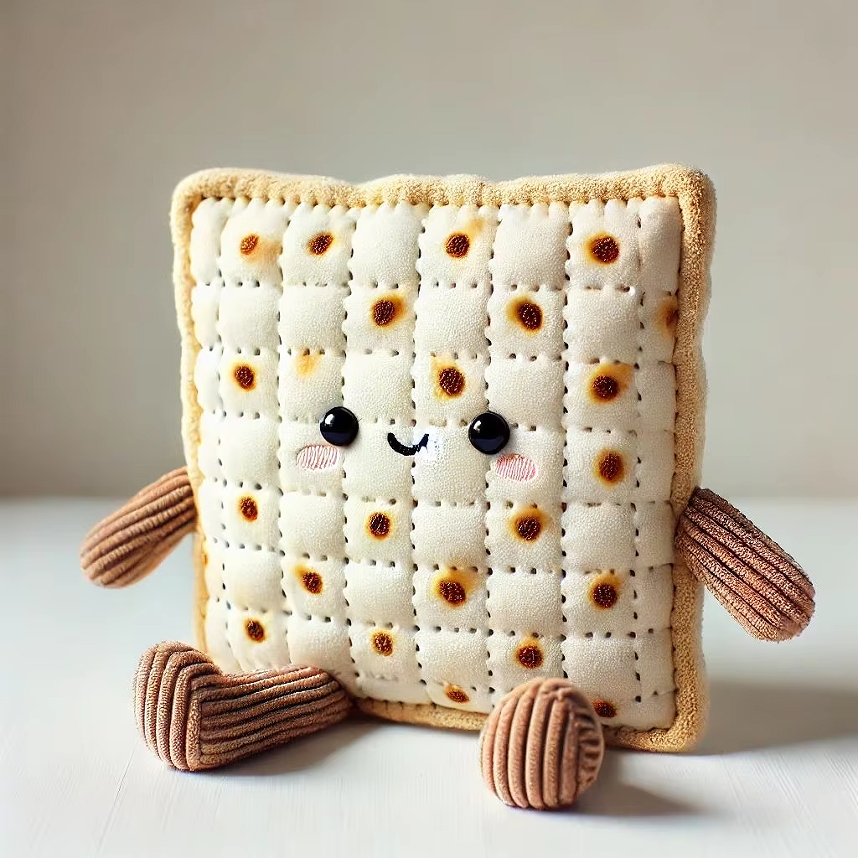
Custom plush toys transform brand identities into tangible, emotive assets. These versatile products serve as tactile ambassadors across industries—from sports teams needing mascot embodiments to cafes introducing dessert-inspired companions. Their physical presence builds instant recognition while triggering multi-generational nostalgia through soft textures and approachable designs.
They act as effortless conversation starters that organically spread brand awareness. Children may cherish them as bedtime companions, while adults display collector’s items on shelves—each placement extending marketing reach without advertising costs. Companies incorporating plush mascots into loyalty programs report 64% higher engagement than with digital-only initiatives.
| Brand Touchpoint Impact | Effect |
|---|---|
| Physical Engagement Duration | 23 months average retention |
| Organic Social Sharing | Increases post interaction by 47% |
| Emotional Attachment | Drives 3.5x higher recall vs. standard swag |
Branded plush toys really stand out when it comes to creating memorable experiences for customers. At music festivals, organizers often hand out special edition stuffed animals that attendees love collecting. Meanwhile, environmentally friendly companies are getting creative with their merchandise by making plush items from recycled materials, which shows they care about sustainability. Some nonprofits have had amazing success with these partnerships too. One animal rescue group created an adoption kit that included a cute plush toy, and within just half a year saw nearly three quarters of people coming back to donate again. When businesses think carefully about how they incorporate these fun items, they actually build stronger connections with local communities. Studies on brand image consistently show that companies with soft, cuddly mascots tend to earn much higher levels of trust from consumers. Research suggests folks generally feel 40% more confident in brands that use these kinds of tactile marketing strategies.
From Concept to Creation: The OEM Plush Toy Manufacturing Process
What OEM Manufacturing Means for Custom Plush Toys When it comes to making those custom plush toys that capture brand spirit, OEM manufacturing does most of the heavy lifting. Companies get to keep their creative fingerprints all over the design process but don't have to worry about buying expensive machinery or hiring experts in textile engineering. Pretty cool setup really. According to some industry numbers from Global Toy Insights Report, this kind of outsourced production has taken off like wildfire growing by 210% since 2021. Makes sense when you think about it too many businesses are starting to see how soft toys connect emotionally with people of all ages, which explains why they're investing so heavily in these partnerships now.
Design to Prototype: Turning Ideas into Tangible Plush Products
The process begins by translating visual concepts into technical specifications. Designers convert artwork into precise pattern blueprints and select fabrics that align with the desired brand experience. Physical prototypes undergo three-stage validation:
- Material stress testing for durability and safety compliance
- Shape verification against brand character guidelines
- User experience assessment for cuddle-factor optimization This iterative refinement ensures the final prototype captures the intended brand expression before bulk production begins.
End-to-End Production: Turnkey Solutions for Seamless Brand Integration
Our manufacturing ecosystem integrates all components into brand-aligned products while maintaining strict quality benchmarks:
| Phase | Key Integration Points | Brand Control Levers |
|---|---|---|
| Material Sourcing | Ethical fabric verification | Custom textile customization |
| Production | Real-time quality monitoring | Batch approval thresholds |
| Finishing | Eco-friendly packaging customization | Brand asset placement audits |
The workflow supports just-in-time restocking and regional distribution, streamlining logistics for international campaigns.
Around 78 percent of companies that use custom made plush items report better customer retention rates. More than three quarters actually see these improvements within about 18 months of implementation. Why does this work so well? Well, stuffed animals and other plush creations somehow connect people's everyday experiences with what the brand stands for. They become real objects that sit on shelves or bedsides, constantly reminding customers of their relationship with the company. Some research in brain science suggests that these soft toys create roughly 40-50% more emotional connection compared to just online marketing efforts alone. Makes sense when we think about how tactile experiences stick with us longer than screen based interactions.
Designing Branded Plush Toys: Aligning Aesthetics with Brand Voice
Customizing Colors, Shapes, and Characters to Match Brand Identity
All those little design bits - color schemes, shape choices, how characters look proportionally - they really need to match up with what the brand stands for at its heart. Take lifestyle brands for instance, they tend to go for realistic animals rendered in softer, earthy tones because that communicates their connection to nature stuff. On the flip side, newer companies that want to seem fresh and fun usually opt for bright, almost cartoon-like designs with big eyes and oversized features that scream innovation. When brands turn their mascot characters into actual 3D plush toys, people remember them better. A toy company actually saw their brand recognition jump by around 35% after making their mascot something customers could hug and take home. Picking design elements also depends on who's going to see them most. Kids gravitate toward simple outlines and bold shapes, whereas serious collectors want all those tiny details that make each piece unique. Getting this right matters a lot though. The stories behind characters and how they visually appear needs to tie back to the overall brand message if we want folks to form real emotional connections with what we're selling.
Choosing the Right Fabric (Velvet, Supersoft) for Brand Experience
Material selection shapes emotional response and brand perception. Luxury brands typically choose premium velvet for its sophisticated tactile feel. For child-focused companies, supersoft plush provides comforting sensory engagement linked to 73% repeat cuddling (Child Development Institute 2023). Consider these fabric-performance tradeoffs:
| Material | Best For | Emotional Response | Durability |
|---|---|---|---|
| Velvet | Luxury/collectibles | Sophistication | High |
| Supersoft Plush | Children/family brands | Comfort/nostalgia | Medium |
| Organic Cotton | Eco-conscious lines | Ethical warmth | Medium-High |
Prioritize non-toxic certifications like CE or ASTM to demonstrate a genuine commitment to safety.
Incorporating Logos and Branding into Plush Toy Packaging
Packaging extends your brand narrative beyond the toy itself. For premium positioning, emboss logos directly onto fabric patches using chain-stitch embroidery. Mid-market brands achieve cost efficiency with woven label tags. Packaging design requires strategic consideration:
- Box graphics should mirror digital branding with consistent color palettes
- Hangtags offer storytelling opportunities—57% of consumers retain branded tags
- Eco-materials like recycled cartons visibly reinforce sustainability missions
- Unboxing sequences create Instagrammable moments that amplify organic reach
Omnichannel consistency is critical, with top performers maintaining identical branding across packaging, social assets, and physical displays.
Low MOQ and Scalable Production for Startups and Growing Brands
Low Minimum Order Quantities: Accessible OEM Solutions for Emerging Brands
Newcomers to the plush toy business don't need to break the bank thanks to minimum orders as low as 50 to 100 pieces. This makes it much easier for small startups and independent designers to get their feet wet in the market without tying up too much capital upfront. They can test out new ideas through crowdfunding campaigns or limited releases without worrying about being stuck with mountains of unsold inventory. Many manufacturers offer flexible production options where designers can try out different versions before going all in on large scale production runs. The pricing scales nicely too, so even small batches stay within budget range. Some smart shops actually work with leftover fabrics from other projects to cut down on those expensive custom material costs which usually eat up around 15 to 30 percent of what it takes to develop a new product. And there's this neat hybrid method where certain finishing touches are done by hand while machines handle most of the heavy lifting, giving products that artisan quality look without breaking the bank.
Private Label and Pilot Programs: Scaling from Small Batches to Global Distribution
Smart OEMs who want their products to grow usually start small with test batches around 300 to 500 units first. When these initial tests work out well, they move on to making products under private labels. Most companies rely on comprehensive packages that handle all those tricky compliance papers and translate product info into different languages for various markets. As businesses reach certain growth points, their worldwide shipping networks start working together smoothly. Keeping warehouses close to target regions can really cut down what companies pay for shipping across borders, sometimes saving them about 40% on transportation expenses. What makes this whole system special is how easy it becomes to scale up production volumes. Whether selling at temporary local stores or partnering with big name retailers around the world, manufacturers don't need to switch factory partners during this expansion process.
Sourcing OEM Plush Toys from China: Quality, Cost, and Global Delivery
Why China Leads in OEM Plush Toy Manufacturing
When it comes to making stuffed animals around the world, China is really the big player in this market, especially in areas like Guangdong and Zhejiang where everything needed for production has clustered together over time. What makes these manufacturing centers so effective? They've basically got all the pieces of the puzzle right there locally - fabric producers next door to filling plants, embroidery shops working alongside assembly lines. This kind of setup lets companies create custom plush toys at prices roughly 30 percent cheaper than elsewhere on the planet. And get this, once someone approves a design, those same factories can turn out finished products within about a month give or take. The real magic happens when traditional hand skills meet modern machinery. Factory workers who know how to stitch delicate details work side by side with automated systems that keep output steady across thousands of units.
Ensuring Quality Control in Cross-Border Plush Production
Maintaining standards requires robust quality control across production stages. Reputable OEMs implement:
- Pre-production material safety tests meeting international standards (ISO 8124, EN71)
- In-process inspections during cutting, sewing, and stuffing
- Final random sampling under AQL 2.5 frameworks Third-party audits verify compliance with child labor laws and ethical practices. Advanced manufacturers use digital QC systems for real-time defect tracking, reducing error rates below 0.8% (2023 soft goods industry reports).
Simplified Global Logistics and Delivery for Customized Plush Toys
Global distribution is streamlined through consolidated shipping solutions:
| Shipping Method | Best For | Lead Time |
|---|---|---|
| Sea Freight | Bulk shipments (>3000 units) | 30–50 days |
| Air Cargo | Urgent orders (<2000 units) | 5–8 days |
| Courier | Samples/micro-batches | 3–5 days |
Manufacturers handle export declarations and HS code classification under China’s duty drawback programs. Strategic partnerships with fulfillment hubs allow brands to bypass warehouse holding costs. Many offer door-to-door tracking with destination customs clearance included, reducing shipment delays by 40% compared to traditional methods.
FAQ
Why are customized plush toys effective as branding tools?
Customized plush toys effectively transform brand identities into tangible assets. These tactile ambassadors trigger nostalgia and spread brand awareness, making them conversation starters for both children and adults.
What are the benefits of incorporating plush mascots into loyalty programs?
Incorporating plush mascots into loyalty programs can increase engagement by up to 64% compared to digital-only initiatives, leveraging their appeal as collectible items or cherished companions.
How does OEM manufacturing benefit businesses creating custom plush toys?
OEM manufacturing allows businesses to maintain creative control over design without the need for expensive machinery or textile engineering experts, facilitating efficient bulk production and cost-effective scalability.
What factors should be considered when choosing fabrics for plush toys?
Fabric choice impacts emotional response and brand perception. Velvet suits luxury brands, while supersoft plush caters to child-focused companies. Non-toxic certifications such as CE or ASTM should be prioritized for safety assurance.