
 EN
EN
 AR
AR
 BG
BG
 HR
HR
 DA
DA
 NL
NL
 FI
FI
 FR
FR
 DE
DE
 EL
EL
 IT
IT
 JA
JA
 KO
KO
 NO
NO
 PT
PT
 RO
RO
 RU
RU
 ES
ES
 SV
SV
 TL
TL
 IW
IW
 ID
ID
 SR
SR
 UK
UK
 HU
HU
 MT
MT
 TH
TH
 TR
TR
 FA
FA
 MS
MS
 GA
GA
 IS
IS
 EU
EU
 BN
BN
 LO
LO
 LA
LA
 SO
SO
 KK
KK
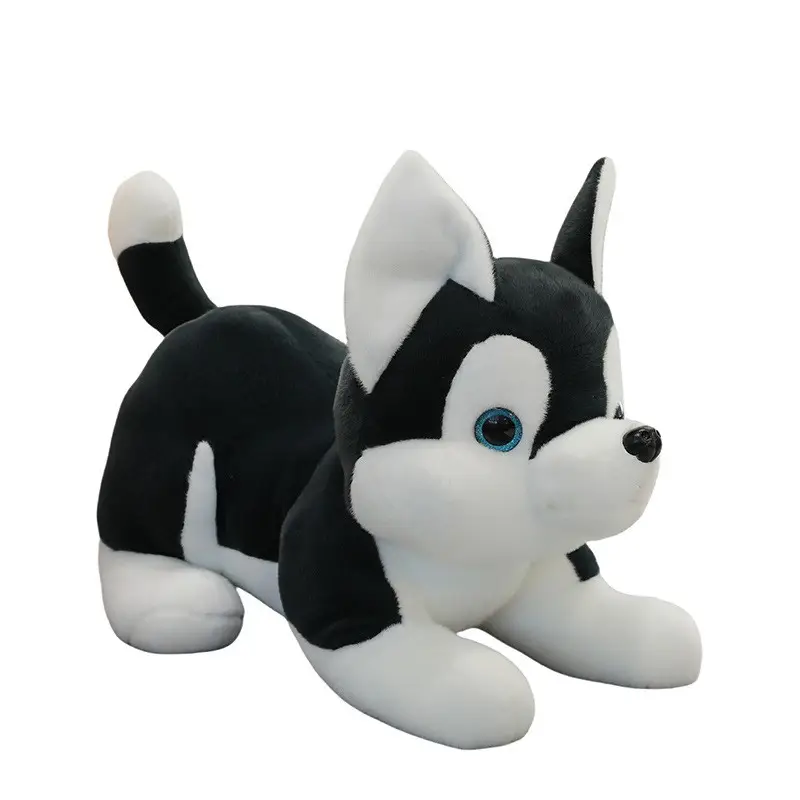
Creativity is one of the most valuable skills a child can develop, shaping their problem-solving abilities, imagination, and capacity for original thought throughout their lives. While creativity is an innate trait, it requires nurturing and stimulation to flourish—and educational toys stand as one of the most effective tools for this growth. Unlike passive playthings that offer only one way to interact, educational toys are designed to encourage exploration, experimentation, and free thinking, turning playtime into a creative learning journey. From open-ended building sets to sensory exploration tools, these toys create a safe space for kids to test ideas, make mistakes, and craft their own unique solutions. This article explores the multifaceted ways educational toys boost children’s creativity, and how intentional toy design fosters imaginative thinking at every developmental stage.
Open-Ended Play: The Foundation of Creative Exploration
The most impactful educational toys share a key feature: open-ended play potential, meaning they have no single "right" way to be used. This lack of rigid instructions is the cornerstone of creative development, as it empowers kids to take ownership of their play and use their imagination to define the rules. For example, a set of wooden building blocks—an iconic educational toy—can be transformed into a castle, a bridge, a spaceship, or a pretend city, with the child as the sole designer. Unlike toys with pre-determined functions, open-ended educational toys push kids to ask, “What if?” and “How can I make this different?”
This type of play builds divergent thinking, a core component of creativity that involves generating multiple solutions to a single problem. When a child rearranges blocks to fix a wobbly tower or invents a new game with a set of sensory tiles, they are practicing divergent thinking without even realizing it. Educational toys that prioritize open-ended play also reduce the fear of failure; since there is no wrong outcome, kids feel free to take creative risks and experiment with unconventional ideas—an essential part of building a creative mindset.
Sensory Stimulation: Fueling Imagination Through the Senses
Creativity thrives when the brain is engaged through multiple senses, and educational toys are expertly designed to provide multi-sensory stimulation that sparks imaginative thought. Young children, in particular, learn and create through touching, seeing, hearing, and even smelling, and educational toys cater to these sensory needs with textured materials, vibrant colors, interactive sounds, and tactile shapes. For instance, a fabric educational toy with crinkly panels, soft fur, and squeaky elements not only teaches sensory awareness but also inspires kids to create stories around the toy—imagining it as a forest animal or a magical creature with unique sensory traits.
Sensory educational toys also bridge the gap between the physical and creative worlds. When a child runs their fingers over a wooden puzzle with carved shapes or listens to the chime of a musical educational toy while building a tower, they form sensory connections that feed their imagination. These connections help kids translate real-world sensory experiences into creative ideas, whether they’re drawing a picture, telling a story, or building something new. For older kids, sensory educational toys like kinetic sand or magnetic building tiles continue this stimulation, encouraging them to combine sensory play with complex creative projects.
Skill-Building: Creative Thinking Tied to Practical Abilities
Educational toys do not foster creativity in a vacuum—they link creative thinking to the development of practical skills, making creativity a tangible, usable ability for kids. Many educational toys integrate fine motor skills, spatial awareness, logical reasoning, and language development into creative play, allowing children to build competence while exploring their imagination. For example, a puzzle-based educational toy that requires matching shapes and colors builds spatial reasoning, while the child might creatively name the puzzle pieces or invent a story about how they fit together. A set of alphabet blocks teaches early literacy skills, and kids can use the blocks to spell nonsense words, create secret codes, or build letter-based sculptures—blending learning with creative expression.
This fusion of skill-building and creativity is crucial because it shows kids that creativity is not just about “making art” but about applying original thought to every task. When a child uses a construction-based educational toy to build a functional ramp and then creatively modifies it to make cars go faster, they learn that creativity can solve real problems. Educational toys that balance skill development with creative freedom help kids see their creative ideas as meaningful and powerful, boosting their confidence to express their imagination in all areas of life.
Social and Collaborative Creativity: Learning to Create Together
Many educational toys are designed for group play, and this social element is a powerful catalyst for collaborative creativity—a skill that is vital in adulthood. When kids play with educational toys together, they must communicate their ideas, compromise with peers, and build on each other’s creativity to create something shared. For example, a group of children building a fort with a set of interlocking educational tiles will each contribute their own design ideas, negotiate how to assemble the structure, and problem-solve together when the fort wobbles. In this process, they learn to listen to others’ creative perspectives and combine them with their own, resulting in a final product that is more imaginative than anything one child could create alone.
Collaborative play with educational toys also teaches kids about creative feedback. When a peer suggests a new way to use a toy or modifies their design, kids learn to accept and adapt to ideas different from their own, expanding their creative horizons. Even simple turn-taking with an educational toy like a sensory board encourages kids to think creatively about how to build on the previous player’s actions, fostering a sense of creative community.
Encouraging Narrative and Pretend Play: Building Creative Storytelling
Pretend play is a direct expression of childhood creativity, and educational toys are masterful at sparking narrative and role-playing activities that build storytelling skills. Many educational toys—such as play kitchens, animal figurine sets, or mini construction sites—are designed to mirror real-life scenarios, giving kids a framework to create their own stories and roles. A child playing with a wooden play kitchen educational toy might imagine they are a chef running a restaurant, inventing a menu, and interacting with pretend customers—using creativity to build a whole fictional world.
These narrative play experiences build creative storytelling, a skill that involves crafting plots, developing characters, and using language to express imaginative ideas. Educational toys that support pretend play also encourage kids to use symbolic thinking—treating a block as a phone or a stuffed animal as a patient—which is a key step in developing abstract creative thought. As kids grow, educational toys that support more complex pretend play, like puzzle-based story sets or building toys for pretend cities, continue to challenge their storytelling creativity, helping them build rich, detailed narratives that reflect their growing imagination.
Conclusion
Educational toys are far more than just learning tools—they are creative catalysts that nurture every aspect of a child’s imaginative thinking, from open-ended exploration to collaborative storytelling. By prioritizing open play, sensory stimulation, skill-building, social collaboration, and narrative play, these toys create a play environment where creativity is not just encouraged but embedded in every interaction. The magic of educational toys lies in their ability to make creativity feel like play, so kids develop this vital skill without pressure, building a lifelong love of imagining, creating, and exploring. For parents and educators, choosing high-quality educational toys is one of the most meaningful ways to invest in a child’s creative growth, giving them the tools to see the world with curiosity and inventiveness.
Table of Contents
- Open-Ended Play: The Foundation of Creative Exploration
- Sensory Stimulation: Fueling Imagination Through the Senses
- Skill-Building: Creative Thinking Tied to Practical Abilities
- Social and Collaborative Creativity: Learning to Create Together
- Encouraging Narrative and Pretend Play: Building Creative Storytelling
- Conclusion