
 EN
EN
 AR
AR
 BG
BG
 HR
HR
 DA
DA
 NL
NL
 FI
FI
 FR
FR
 DE
DE
 EL
EL
 IT
IT
 JA
JA
 KO
KO
 NO
NO
 PT
PT
 RO
RO
 RU
RU
 ES
ES
 SV
SV
 TL
TL
 IW
IW
 ID
ID
 SR
SR
 UK
UK
 HU
HU
 MT
MT
 TH
TH
 TR
TR
 FA
FA
 MS
MS
 GA
GA
 IS
IS
 EU
EU
 BN
BN
 LO
LO
 LA
LA
 SO
SO
 KK
KK
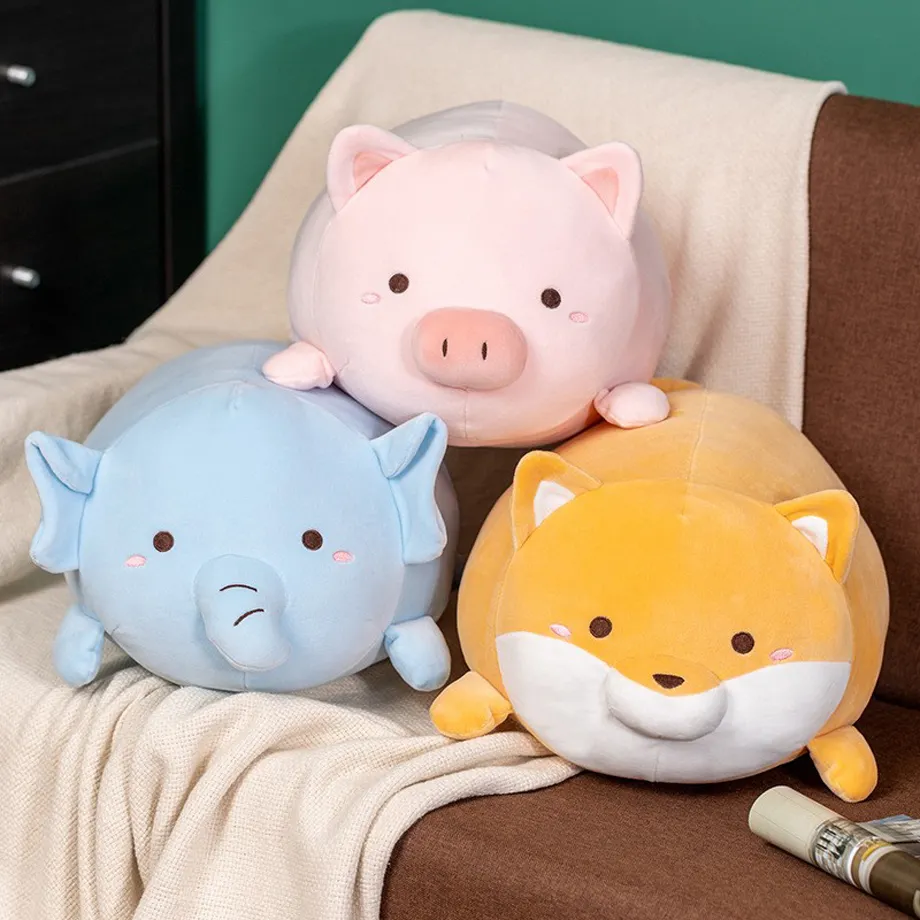
Emotional Comfort and Attachment: How Plush Toys Build Security
The Role of Plush Toys in Emotional Security and Comfort
Soft stuffed animals often become go to comfort items for little ones, providing something warm and familiar to hold onto when they feel scared or lonely. According to recent research from Zeki Learning in 2024, around two thirds of toddlers who get upset when separated from parents show reduced stress hormones when clutching their favorite stuffed friend. The simple act of hugging these toys actually triggers parts of the body's relaxation response, helping kids learn how to calm themselves down over time. Looking at how kids interact with these transitional objects, studies have found that those who form strong attachments to plush toys need help from grown ups about forty percent less often during big emotional moments by the time they turn four years old.
How Stuffed Animals Support Attachment Formation in Early Childhood
A consistent plush toy can actually help babies transition from needing constant parental attention to developing some independence on their own. Many child development experts have observed something interesting too. Kids who regularly take care of their stuffed animals through pretend activities like giving them snacks or putting them to bed tend to show better understanding of others' thoughts and feelings when they reach preschool. These imaginative games aren't just fun for little ones. They actually strengthen parts of the brain related to building trust, which becomes really important for forming healthy relationships throughout life.
Transitional Objects and Separation Anxiety: The Science Behind the Snuggle
Soft stuffed animals serve as emotional anchors for kids going through big changes in their lives. A recent study by PediaResearch found that nearly 60% of kindergarten teachers noticed kids adjusted quicker to school when they brought along their favorite blanket or toy. When little ones hug their stuffed friends, it actually causes their brains to release oxytocin, that feel-good hormone that helps calm down the part of the brain responsible for scary feelings. Parents often see this in action when kids first start daycare or preschool. The child might cling tightly to their beloved bear or bunny throughout drop-off time, and watch how they gradually relax once they realize they're safe. These comfort items become trusted companions during those tricky transition periods.
- 34% shorter crying episodes
- 2.5x faster recovery from distress
Case Study: Plush Toys in Hospital Settings Reducing Pediatric Stress Levels
A 2022 trial across 12 children's hospitals showed that personalized plush companions reduced pre-procedure anxiety scores by 22% compared to standard care. Nurses observed that children used the toys to:
- Verbalize fears to the stuffed animal first
- Rehearse medical procedures through imaginative play
- Maintain composure during injections and checkups
This evidence confirms plush toys’ unique ability to transform abstract fears into manageable experiences through tangible comfort.
Developing Social-Emotional Skills Through Imaginative Play with Plush Toys
Building Empathy and Emotional Intelligence Through Pretend Play With Plush Toys
Kids tend to grow more empathetic when they imagine feelings in their soft toys while playing pretend. Research from Wisconsin showed something interesting about this behavior. Preschool children who often played caring games with their stuffed animals ended up showing around 30% more empathy towards other kids in class. Little ones learn a lot when they try to make their "sick" teddy feel better or work out disagreements between their plush friends. This kind of play actually helps build what psychologists call theory of mind, which basically means understanding that people think and feel differently than we do ourselves. Most parents notice this happening without even realizing it's part of important social development.
Communication Skills Fostered by Role-Playing With Stuffed Animals
Soft toys serve as great conversation buddies when kids need somewhere safe to practice talking without feeling judged. Studies indicate that little ones who chat with their stuffed friends tend to grow their vocabulary around 18 percent quicker compared to other kids. Kids often work out social stuff by playing pretend with these toys. They might try different ways of saying hello, test out various tones of voice, or even express complicated feelings through their plush pals. For instance, a child might say something like "Mr. Bunny is really scared about starting school today." These kinds of exercises help develop those practical language abilities that are so important for interacting properly in everyday life situations.
Encouraging Emotional Expression and Development Via Imaginative Storytelling
When kids create stories with their stuffed animals, they often express emotions they can't put into words otherwise. A recent study from the Play Therapy Journal found that around two thirds of four to seven year olds talk about their fears much more freely when using plush toys as characters in their made up adventures. Think about those bedtime stories where a little owl bravely faces scary dreams or a lonely dolphin finds new friends at sea – these imaginative scenarios let children work through real life problems without even realizing it. Many child therapists now incorporate this kind of symbolic play into their sessions, helping young patients build better ways to handle stress and anxiety in everyday situations.
Plush Toys as Coping Tools During Stress, Anxiety, and Life Transitions
The Role of Plush Toys in Managing Childhood Anxiety and Stress
Plush toys provide tactile reassurance that lowers cortisol levels by 18% in stressful situations (Ponemon Institute 2023). Their soft texture activates sensory pathways tied to emotional regulation, helping children express feelings they might otherwise suppress. Clinicians often incorporate stuffed animals into play-based therapy to model calming techniques and encourage emotional disclosure.
Stuffed Animals and Adaptation to Major Life Transitions
About two thirds of parents notice kids turn to stuffed animals when dealing with big life changes like starting at a new school or packing up for a house move. These soft toys become something familiar when everything else feels uncertain, basically serving as little emotional lifelines for many children. Recent research published in the Early Childhood Research Quarterly back in 2024 showed some interesting results too. Kids who had their favorite comfort toy with them needed almost half as much help from teachers during those first days at school compared to those without one. This suggests these simple plush companions actually play a real part in helping children adjust to significant life transitions.
Data Insight: 78% of Children Report Feeling Safer With a Plush Toy During Stressful Events
According to the latest Childhood Anxiety Report from 2024, soft plush toys can actually cut down on stress signals such as fast breathing when kids are in hospitals or clinics by about 31 percent. That's why many doctors now suggest giving out weighted stuffed animals to little ones who need shots or have their blood taken. These cuddly friends offer something special too they let kids feel in control of their emotions but still know someone (or something) is there for them when things get tough.
Fostering Independence and Emotional Autonomy with Plush Companions
Encouraging Independence and Self-Soothing in Children Using Stuffed Animals
Soft toys help little ones deal with tough emotions all by themselves. Recent research from 2023 shows something interesting about this too. About two thirds of preschool age kids who cuddled with their stuffed animals when feeling upset actually required fewer grown ups around them at times like going to bed alone or visiting the doctor. These cozy friends become kind of like security blankets that travel with the child everywhere. Kids learn to calm down without needing someone else there, maybe through taking slow breaths or just holding onto their favorite plush friend tightly.
Stuffed Animals and the Development of Emotional Autonomy
When kids play with soft toys over and over again, they actually start figuring out how to spot feelings and deal with them on their own rather than always needing someone else to tell them what to do. Imagine little ones acting out stories where two stuffies have a fight and then making peace, or trying to cheer up a toy that looks sad. These kinds of pretend games give kids safe space to practice handling emotions before they face similar situations in real life. What's interesting is that this method works similarly to how therapists help people regulate emotions. The key seems to be doing these imaginative exercises regularly, which helps build those important emotional skills naturally over time.
Trend: Rise in ‘Comfort Companions’ Designed for Emotional Regulation
Manufacturers are now integrating sensory features into plush toys to enhance emotional support:
- Weighted stuffing (3% of body weight) to reduce anxiety
- Heat-activated lavender scent pads for relaxation
- Interactive heartbeat simulators that mimic caregiver proximity
A 2022 market analysis revealed a 140% year-over-year increase in specialty emotional regulation plush toys, reflecting growing recognition of their developmental value. Parents are increasingly using these tools to support transitions to independent sleeping, classroom participation, and other milestones requiring emotional resilience.
Emotional Comfort and Attachment: How Plush Toys Build Security
Safe expression of feelings using plush toys in therapy settings
Many therapists include soft toys in their play sessions because they help little ones talk about big feelings without having to put words to everything. According to research published last year in Child Development Perspectives, around two thirds of child therapists noticed that kids opened up more emotionally when using stuffed animals during role playing about scary or angry situations. The toys basically become safe stand-ins for whatever is bothering them. Kids can show their frustrations through these cuddly friends instead of facing tough subjects head on, which makes it easier for them to process difficult experiences at their own pace.
Plush toys as safe outlets for sharing emotions children struggle to verbalize
Kids between three and seven years old usually don't have enough words to express feelings such as sadness or worry. That's where stuffed animals come in handy. Little ones will often talk about their fears to a favorite plush toy, or put on little shows with puppets pretending to be brave lions when they feel scared inside. Playing with these soft toys actually helps activate parts of the brain related to understanding others' feelings, something scientists from Cambridge University found back in 2022. When children engage in this kind of hands-on play, they start learning how to name and understand different emotions better.
Strategy: Using plush toys in classroom emotional literacy programs
Educators are adopting stuffed animals as tools for emotional intelligence development. For example:
| Activity | Skill Developed | Classroom Implementation |
|---|---|---|
| Emotion charades | Emotional identification | Students use plush toys to act out feelings |
| Storytelling circles | Empathy building | Groups create narratives about a toy’s challenges |
| Conflict resolution | Problem-solving | Children mediate toy “disagreements” with peers |
A 2024 meta-analysis of 27 school programs showed a 42% reduction in emotional outbursts among kindergarteners who regularly engaged in plush-guided activities.
FAQ
Why are plush toys important for children's emotional development?
Plush toys offer comfort, help manage stress, and encourage emotional development. They serve as emotional anchors during transitions, reducing stress hormones and fostering independence.
How do stuffed animals help with attachment and emotional security in children?
Stuffed animals often become transitional objects that provide a sense of security, helping children manage separation anxiety and aiding in the development of independence.
In what ways do plush toys encourage social-emotional skills in kids?
Through imaginative play and role-playing, kids practice empathy, emotional regulation, and communication skills, enhancing their social-emotional intelligence.
What role do plush toys play during major life transitions?
During major life changes like starting school or moving, plush toys offer reassurance and familiar comfort, helping children adjust more easily to new situations.
How can plush toys be used in educational settings?
Stuffed animals are used in classrooms to develop emotional literacy. Activities include emotion charades, storytelling circles, and conflict resolution exercises.
Table of Contents
- Emotional Comfort and Attachment: How Plush Toys Build Security
- Developing Social-Emotional Skills Through Imaginative Play with Plush Toys
- Plush Toys as Coping Tools During Stress, Anxiety, and Life Transitions
- Fostering Independence and Emotional Autonomy with Plush Companions
- Emotional Comfort and Attachment: How Plush Toys Build Security
-
FAQ
- Why are plush toys important for children's emotional development?
- How do stuffed animals help with attachment and emotional security in children?
- In what ways do plush toys encourage social-emotional skills in kids?
- What role do plush toys play during major life transitions?
- How can plush toys be used in educational settings?