
 EN
EN
 AR
AR
 BG
BG
 HR
HR
 DA
DA
 NL
NL
 FI
FI
 FR
FR
 DE
DE
 EL
EL
 IT
IT
 JA
JA
 KO
KO
 NO
NO
 PT
PT
 RO
RO
 RU
RU
 ES
ES
 SV
SV
 TL
TL
 IW
IW
 ID
ID
 SR
SR
 UK
UK
 HU
HU
 MT
MT
 TH
TH
 TR
TR
 FA
FA
 MS
MS
 GA
GA
 IS
IS
 EU
EU
 BN
BN
 LO
LO
 LA
LA
 SO
SO
 KK
KK
Educational toys are more than just playthings—they are tools that shape children’s development, requiring uncompromising safety, quality, and educational value. Among the countless manufacturers worldwide, ISO-certified factories stand out for their rigorous processes, standardized practices, and unwavering commitment to excellence. These factories adhere to internationally recognized ISO standards (such as ISO 9001 for quality management and ISO 14001 for environmental responsibility), integrating systematic workflows into every stage of educational toy production. From material sourcing to final inspection, ISO certification ensures that each educational toy meets global safety norms, delivers on educational promises, and aligns with sustainable manufacturing principles. This article explores the step-by-step process of how ISO-certified factories craft high-quality educational toys, highlighting the standards that set their products apart.
Step 1: ISO-Driven Material Sourcing and Safety Validation
The foundation of exceptional educational toys lies in safe, high-quality materials—and ISO-certified factories leave no room for compromise in this critical step. Guided by ISO 9001’s quality management requirements, these factories implement strict supplier evaluation systems, vetting raw material providers for compliance with international safety standards such as ASTM F963, EN 71, and CPSIA. For educational toys, materials range from non-toxic, hypoallergenic fabrics for plush learning toys to durable, splinter-free wood for building blocks and bamboo-based components for eco-friendly educational tools.
Every material undergoes rigorous testing before entering production: fabrics are checked for toxic dyes and flame resistance, plastics for BPA and phthalate content, and wood/bamboo for formaldehyde emissions. ISO 14001 certification further mandates environmentally responsible sourcing, pushing factories to prioritize renewable materials (like sustainably harvested bamboo) and recycled components. This dual focus on safety and sustainability ensures that educational toys are not only safe for children but also kind to the planet—meeting the growing demand of eco-conscious parents and retailers worldwide.
Step 2: Design and R&D Aligned with Educational and Quality Standards
ISO-certified factories merge educational expertise with standardized design processes to create toys that are both engaging and developmentally impactful. Their R&D teams collaborate with child psychologists and early education specialists to align product designs with age-specific learning milestones—whether it’s sensory stimulation for infants or problem-solving skills for preschoolers. Every design undergoes multiple reviews to ensure it meets ISO’s quality benchmarks: structural stability (to prevent breakage), age-appropriate sizing (to avoid choking hazards), and educational relevance (to deliver on learning objectives).
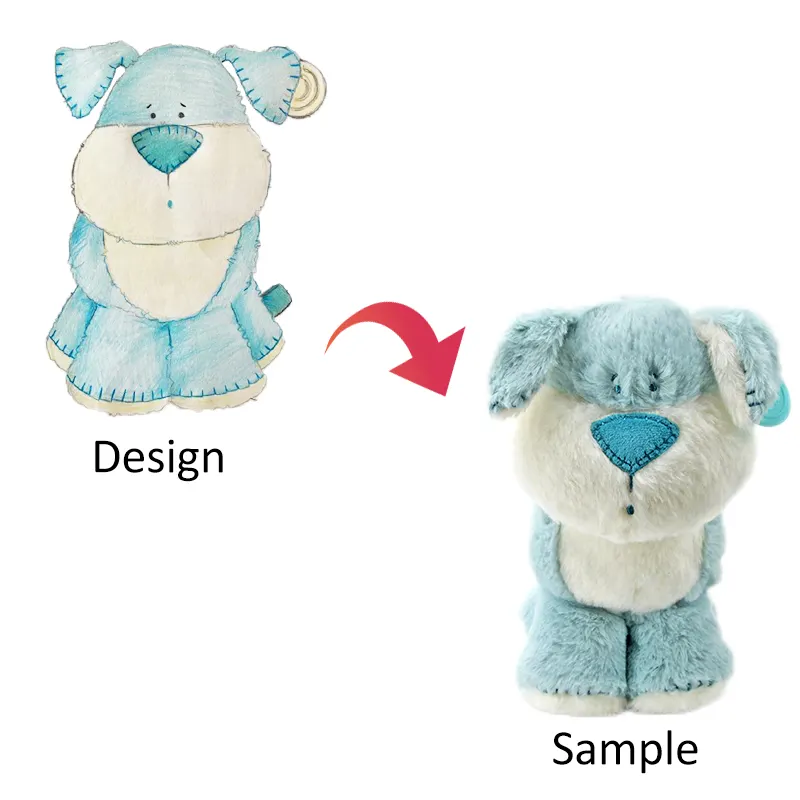
For customized educational toys (a core offering for many ISO-certified OEM factories), the design process is enhanced by ISO’s emphasis on customer-centricity. Factories use digital design tools to translate client concepts into prototypes, conducting iterative testing to refine functionality and safety. This structured approach ensures that even custom educational toys—from branded learning kits to theme-based activity sets—adhere to the same strict quality and educational standards as off-the-shelf products.
Step 3: Standardized Production with Process Control
ISO certification revolutionizes production by introducing systematic process control, eliminating inconsistencies and ensuring every educational toy meets the same high standard. Factories operate on standardized workflows documented in ISO-compliant quality manuals, with clear protocols for every production stage: cutting, assembling, stitching, and adding educational components (such as sound modules or interactive features). Skilled workers receive regular training on ISO requirements, ensuring they follow safety guidelines—from using child-safe adhesives to avoiding sharp edges in assembly.
Automated production equipment, calibrated to ISO’s precision standards, further enhances quality. For example, laser cutting machines ensure uniform shapes for puzzle pieces, while computerized sewing machines guarantee strong, durable stitches for plush educational toys. In-line inspections are conducted at key checkpoints, with workers and QA teams documenting every step to maintain traceability—a cornerstone of ISO 9001. This traceability allows factories to quickly address any issues, ensuring that only flawless educational toys move forward to packaging.
Step 4: Comprehensive Testing and Quality Assurance
Before reaching consumers, educational toys from ISO-certified factories undergo exhaustive testing to validate safety, durability, and educational performance. ISO’s quality management system mandates third-party testing by accredited labs, covering everything from mechanical safety (e.g., pull tests for small parts) to chemical compliance (e.g., heavy metal screening). Educational functionality is also verified—ensuring that learning toys deliver on their intended outcomes, whether it’s teaching colors, numbers, or fine motor skills.
The QA team, trained in ISO’s audit protocols, conducts final inspections of finished products, checking for cosmetic defects, functional issues, and compliance with packaging standards (e.g., clear age warnings and assembly instructions). ISO 14001 also requires eco-friendly packaging, with factories using recyclable or biodegradable materials to minimize environmental impact. This rigorous testing and quality assurance process ensures that every educational toy leaving an ISO-certified factory is safe, durable, and educationally valuable.
Step 5: Continuous Improvement Driven by ISO Principles
ISO certification is not a one-time achievement but a commitment to continuous improvement—an ethos that keeps ISO-certified factories at the forefront of educational toy manufacturing. Factories regularly review production data, customer feedback, and audit results to identify areas for enhancement: optimizing production workflows to reduce waste, updating materials to meet new safety standards, or refining designs to better align with educational research.
This culture of improvement ensures that educational toys evolve with changing consumer needs and global regulations. Whether it’s integrating new interactive technologies or adapting to stricter environmental standards, ISO-certified factories have the flexibility and structure to innovate while maintaining quality. For customers, this means consistent access to educational toys that set the bar for safety, education, and sustainability.