
 EN
EN
 AR
AR
 BG
BG
 HR
HR
 DA
DA
 NL
NL
 FI
FI
 FR
FR
 DE
DE
 EL
EL
 IT
IT
 JA
JA
 KO
KO
 NO
NO
 PT
PT
 RO
RO
 RU
RU
 ES
ES
 SV
SV
 TL
TL
 IW
IW
 ID
ID
 SR
SR
 UK
UK
 HU
HU
 MT
MT
 TH
TH
 TR
TR
 FA
FA
 MS
MS
 GA
GA
 IS
IS
 EU
EU
 BN
BN
 LO
LO
 LA
LA
 SO
SO
 KK
KK
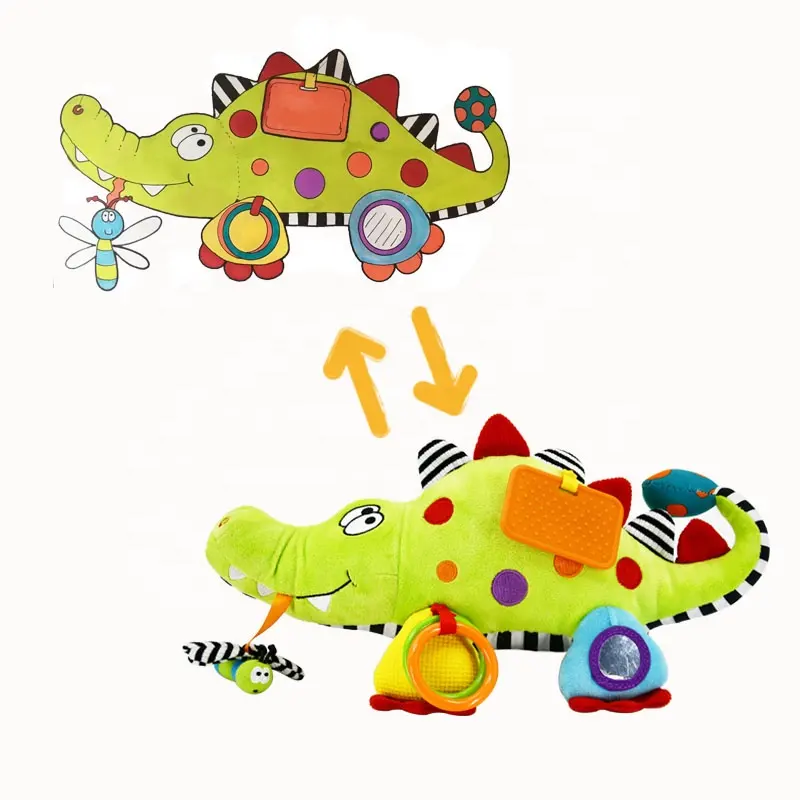
Fabric Books as Purpose-Built Sensory Learning Tools
Fabric books are engineered to activate multiple neural pathways simultaneously, transforming early play into intentional sensory development. Unlike traditional toys with limited sensory input, these tools leverage established neurological principles to build foundational cognitive skills during peak brain plasticity windows (0–3 years).
Multi-Textured Surfaces That Support Tactile Discrimination and Neural Development
Babies learn through touch more than anything else, with studies suggesting it accounts for around 70% of their early learning experiences. Fabric books take advantage of this by mixing different textures on each page silk here, corduroy there, maybe even some bumpy silicone bits thrown in. When infants run their fingers across these varied surfaces, they start developing the ability to tell one material from another. This process actually helps build connections in their brains, particularly in areas responsible for sensing touch. Research published in developmental journals indicates that kids who get plenty of tactile stimulation tend to recognize objects about 30% quicker than those who don't. These findings highlight why sensory-rich toys remain so important during those crucial first months of life.
Integrated Visual, Auditory, and Kinesthetic Cues for Cross-Modal Engagement
When fabric books combine crinkly noises with bright colors and things kids can pull out or push in, that's what we call real sensory integration happening. The way these books are made actually reflects how our brains work in everyday life, connecting different senses together so babies learn faster. Studies show that when multiple senses get involved at once, kids remember stuff about 40 percent better than with just one sense engaged. That makes sense because remembering things is easier when there's more going on around us. These multi-sensory experiences help build better memories and keep little ones focused longer too.
Motor Skill Development Through Intentional Interactive Design
Custom fabric books transform playtime into structured motor development by incorporating carefully designed interactive elements. These tactile tools bridge everyday challenges and safe skill-building environments, allowing toddlers to practice essential movements without frustration or risk.
Zippers, Buttons, and Laces: Real-World Fine Motor Practice in a Safe Fabric Book Format
Kids learning to button shirts or zip jackets need good finger control, something most children develop around three to five years old. Fabric activity books mimic these everyday tasks with big, easy-to-handle parts so little ones can work on their hand strength as they play. When kids push buttons through holes, slide zippers along tracks, or try threading laces through loops, they're actually working on those important grasping skills and learning how both hands work together. These kinds of activities really help prepare kids for school life. Research shows that children who get regular practice with these small muscle movements tend to be about 30 percent more independent when it comes to getting dressed or eating by themselves later on. What makes fabric books so great is that they let kids experiment freely. If they mess up, no problem – it's just part of the learning process. Over time, this helps build not only better motor skills but also confidence as they figure things out for themselves.
Crinkles, Flaps, and Mirrors: Cause-Effect Learning and Sustained Attention in Early Play
The crinkly pages, lift-up flaps, and little mirrors in these toys give kids instant feedback when they interact physically with them. Babies who scrunch up fabric that makes noise start to realize their actions actually produce sounds, which helps build that basic cause-effect connection so important for solving problems later on. When little ones peek behind those flaps to find hidden pictures, it teaches them objects still exist even when out of sight, though it does require them to pay close attention for a bit. Mirrors serve another purpose too. Toddlers looking at their own reflections begin to understand themselves better while also experimenting with different faces and expressions. Studies show these interactive features keep children engaged about 40 percent longer than regular toys because the constantly changing elements prevent boredom. All this layered interaction turns short play sessions into longer periods of exploration, helping form those brain connections needed for things like planning and decision making, all while having fun repeating activities they enjoy.
Parent-First Priorities: Safety, Durability, and Washability of Fabric Books
ASTM F963-Compliant Materials, Chew-Safe Construction, and Machine-Washable Integrity
When shopping for fabric books, parents look for ones that pass strict safety tests such as ASTM F963, which is basically what the U.S. Consumer Product Safety Commission requires for all toys sold in America. These baby books are built to survive teeth gnawing thanks to extra strong stitching throughout and parts that stay firmly attached so little hands can't pull them off and swallow them. Parents really care about how long these books last too. Good quality fabric books handle all the rough handling kids give them every day - pulling apart pages, squishing corners, tossing them around, even multiple trips through the washing machine without coming apart at the seams or losing color. Most come with machine wash instructions because keeping things clean matters a lot. The best ones use materials like polyester mixed with cotton that actually fight back against bacteria growing after repeated cleanings. All these features together tackle what matters most to worried parents:
- Safety: Phthalate-free fabrics and double-stitched seams prevent material disintegration
- Longevity: Dense 300GSM fabric retains shape after 50+ washes
- Practicality: Quick-dry materials reduce mold risk compared to plush toys
Such engineering transforms fabric books from disposable items into lasting developmental tools that align with parental values.
Custom Fabric Books: Emotional Resonance and Developmental Personalization
Name Integration, Familiar Imagery, and Interest-Based Themes to Strengthen Attachment and Reuse
When parents put their child's name on a fabric book along with family pictures or images of their favorite pet, it becomes something special that kids really connect with. The psychology behind this works because when we own something, we tend to value it more emotionally. Studies from Early Childhood Research Quarterly back this up, showing kids are about 58 percent more engaged with stuff that has been made just for them in 2022. Books featuring topics that match what interests children at different ages, whether they love dinosaurs, outer space, or exploring nature, help create stronger bonds too. Plus, since these fabric pages can be washed and reused over time, families get to enjoy many happy reading sessions together year after year.
Neuroinclusive Design: Tailoring Texture, Contrast, and Interactivity for Diverse Sensory Profiles
Customization extends beyond personal details to address sensory needs. Adjustable elements include:
- High-contrast patterns for visual processing differences
- Muted or embossed textures for tactile sensitivities
- Optional sound modules for auditory seekers
Such adaptations align with pediatric occupational therapy frameworks, enabling caregivers to match stimuli to a child’s sensory threshold. This prevents overstimulation while nurturing exploration—critical for neurodivergent learners often excluded by standard toy designs.
FAQs
What are fabric books, and why are they beneficial for babies?
Fabric books are sensory learning tools made with different textures and interactive elements. They help in developing foundational cognitive skills, tactile discrimination, and encourage sensory integration in babies.
How do fabric books support motor skill development?
Fabric books incorporate elements like zippers, buttons, and laces, allowing children to practice fine motor skills and hand-eye coordination in a safe environment.
Why is the washability of fabric books important?
Fabric books are machine washable, ensuring they remain clean and safe for babies. This feature also adds to their durability and practicality for repeated use.
Can fabric books be customized?
Yes, fabric books can be customized with a child's name, family images, or themes that match their interests, enhancing emotional connection and engagement.