
 EN
EN
 AR
AR
 BG
BG
 HR
HR
 DA
DA
 NL
NL
 FI
FI
 FR
FR
 DE
DE
 EL
EL
 IT
IT
 JA
JA
 KO
KO
 NO
NO
 PT
PT
 RO
RO
 RU
RU
 ES
ES
 SV
SV
 TL
TL
 IW
IW
 ID
ID
 SR
SR
 UK
UK
 HU
HU
 MT
MT
 TH
TH
 TR
TR
 FA
FA
 MS
MS
 GA
GA
 IS
IS
 EU
EU
 BN
BN
 LO
LO
 LA
LA
 SO
SO
 KK
KK
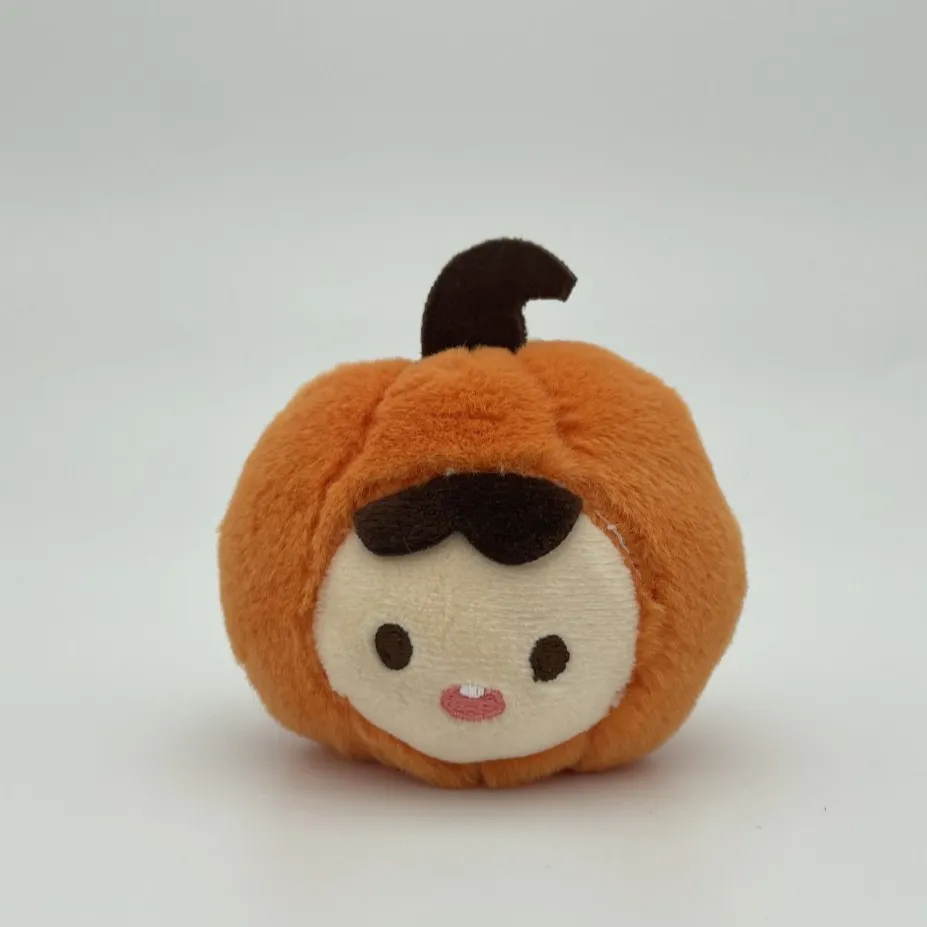
The Science of Comfort: How Plush Toys Support Emotional Regulation Across Ages
Transitional Objects and Early Emotional Regulation in Infancy
Soft stuffed animals play a really important role in early childhood development, acting as comfort items when babies experience separation anxiety or need calming during tough situations. Child psychologists have noted that these cuddly friends help build emotional strength. Research from the Early Childhood Behavior Journal found that little ones who hold onto their plush toys tend to calm down about 40 percent quicker after getting upset than kids who don't have something to hug. The physical contact provides a sense of security that lets babies explore on their own while still feeling connected to mom or dad emotionally. Many parents report seeing this effect firsthand as their children grow more confident with their favorite stuffed animal always nearby.
Neurobiological Benefits: Touch-Induced Oxytocin Release and Stress Reduction
When people touch plush toys, their brains actually respond in ways we can measure through chemistry changes. Soft materials trigger the body to release oxytocin, which many call the love hormone because it helps us bond emotionally and feel less stressed. Research from the Journal of Behavioral Neuroscience in 2022 found that cuddling these toys boosts oxytocin levels around 31% on average just 15 minutes after starting to interact with them. That's why kids and grownups alike often grab for stuffed animals when they're feeling anxious or overwhelmed. Simply running hands over those fake fur surfaces tends to slow down heartbeat somewhere between 11 and 18 beats per minute. For anyone dealing with stressful moments, this simple act becomes like carrying around a built-in calming tool wherever they go.
| Benefit | Physiological Impact | Age Group Applicability |
|---|---|---|
| Cortisol Reduction | 40% faster stress recovery | Primarily infants |
| Oxytocin Release | 31% average increase | All ages |
| Heart Rate Regulation | 11–18 bpm decrease during anxiety | Children to adults |
Plush Toys as Developmental Catalysts for Social-Emotional Skills
Imaginative Play and Narrative Development in Early Childhood
Soft plush toys actually get kids creating stories that help develop their language abilities, brain power, and those important thinking skills we call executive functions. Kids will often come up with whole worlds where their stuffed animals take on roles in elaborate tales they tell themselves out loud, giving each character different wants and figuring out how problems get fixed. When little ones engage in this kind of imaginative play, they're building their vocabulary naturally while learning to think step by step, remember what happened before, and understand why things happen the way they do. The beauty of these open-ended games is that kids face all sorts of made-up challenges as they play through them, which teaches them how to be adaptable when solving problems and express themselves clearly. These skills definitely carry over into school work and getting along better with other children too.
Empathy Building and Perspective-Taking Through Plush Toy Role-Play
Kids learn about emotions through their soft toys and stuffed animals. When little ones play games where they comfort a "sad" stuffed bear or try to help two plush characters stop fighting, they're actually working on some important skills. They start noticing when something's wrong, reading body language, and trying out different ways to respond emotionally. It's all happening in a setting where there's no real pressure or risk involved. What happens during these play sessions actually builds connections in the brain related to understanding others' feelings and seeing things from different viewpoints. Studies have found that kids who play with their plush toys this way tend to show about 30 percent better emotional awareness when hanging out with other children according to research published in Child Development Perspectives back in 2021.
Beyond Childhood: The Enduring Role of Plush Toys in Nostalgia and Adult Well-Being
Plush toys aren't just things people outgrow when they become adults. A lot of grown-ups actually keep their childhood stuffed animals around, according to some research. The numbers are pretty surprising too: about 44% hang onto these old friends, and nearly a third sleep with them every night, as reported by The Guardian. What makes this happen? Well, there's something about holding onto those familiar shapes and textures that brings back good memories, especially when life gets tough. Scientists have found that touching soft toys can lower stress hormones while releasing feel-good chemicals in the brain, which explains why so many people find comfort in them. Researchers at VU University Amsterdam confirmed this effect through their work. These toys do more than just calm nerves though. They act like little time machines, connecting adults back to their younger selves in a world where nobody judges them. When everything feels overwhelming, running fingers over the fabric of a beloved stuffed animal grounds someone right back in the moment, turning what might seem childish into something backed by real science for managing mental health today.
FAQ
Why do plush toys help with emotional regulation?
Plush toys help with emotional regulation by providing physical comfort, releasing oxytocin, and reducing stress, which helps individuals feel more secure and grounded.
Are plush toys beneficial only for children?
No, plush toys are beneficial across all ages. They help children with imaginative play and social skills, but also offer stress relief and comfort for adults.
Can playing with plush toys improve social-emotional skills in children?
Yes, playing with plush toys helps children develop empathy, perspective-taking, and emotional awareness, which are key components of social-emotional skills.