
 EN
EN
 AR
AR
 BG
BG
 HR
HR
 DA
DA
 NL
NL
 FI
FI
 FR
FR
 DE
DE
 EL
EL
 IT
IT
 JA
JA
 KO
KO
 NO
NO
 PT
PT
 RO
RO
 RU
RU
 ES
ES
 SV
SV
 TL
TL
 IW
IW
 ID
ID
 SR
SR
 UK
UK
 HU
HU
 MT
MT
 TH
TH
 TR
TR
 FA
FA
 MS
MS
 GA
GA
 IS
IS
 EU
EU
 BN
BN
 LO
LO
 LA
LA
 SO
SO
 KK
KK
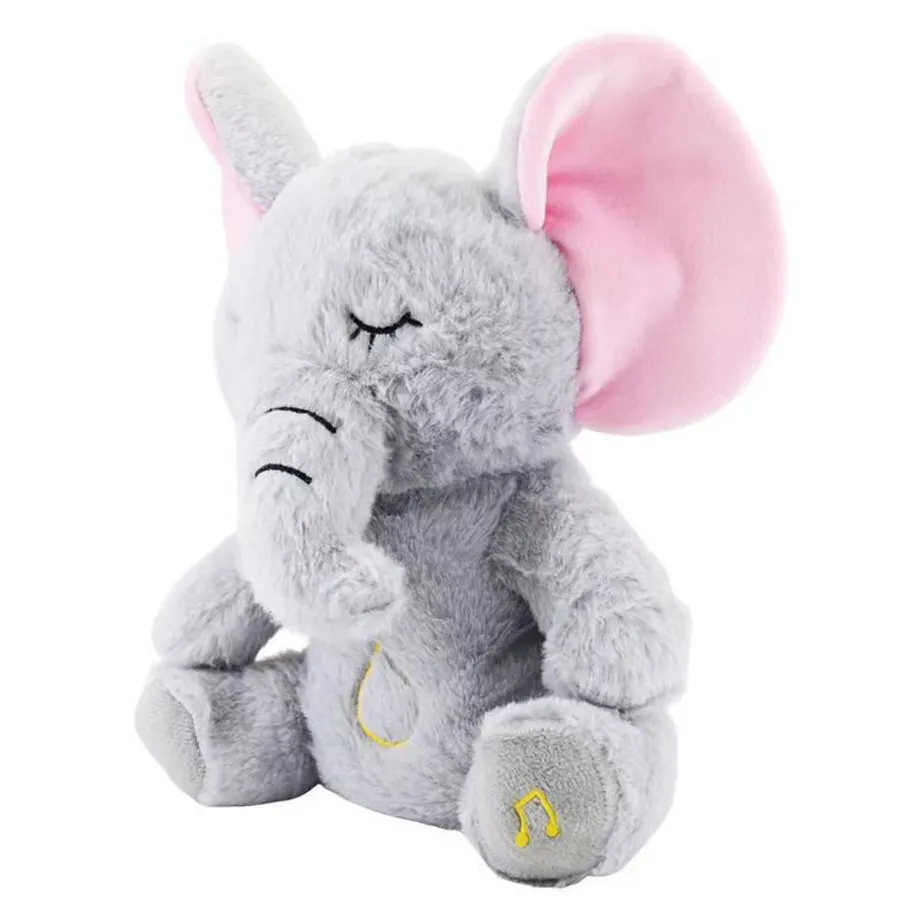
When it comes to plush toys, they are not just cuddly companions for children but also items that require strict adherence to safety standards. Understanding these standards is crucial for manufacturers, retailers, and consumers alike to ensure the well-being of those who cherish these soft and huggable playthings.
International Safety Standards for Plush Toys
EN71 - European Standard
EN71 is a set of European safety standards that specifically address the safety of toys. For plush toys, this standard covers various aspects such as mechanical and physical properties, flammability, and the migration of certain elements. The mechanical and physical properties test ensures that the toy does not pose any risk of injury due to small parts, sharp edges, or other design flaws. Flammability tests are conducted to prevent the toy from catching fire easily, while the migration of elements test checks for the presence of harmful substances like heavy metals that could be ingested by children.
ASTM F963 - American Standard
In the United States, ASTM F963 is the go-to standard for toy safety. Similar to EN71, it encompasses a wide range of safety requirements. It includes tests for choking hazards, ensuring that no small parts can detach and be swallowed by a child. The standard also addresses the use of flammable materials and the presence of toxic substances. Additionally, ASTM F963 has specific provisions for toys with electrical components, which is relevant for some high-tech plush toys.
Key Safety Considerations for Plush Toys
Material Selection
The materials used in plush toys play a pivotal role in their safety. High-quality, non-toxic fabrics should be chosen to prevent skin irritation and allergic reactions. The stuffing material should also be hypoallergenic and free from harmful chemicals. Manufacturers must carefully source their materials and conduct regular quality checks to maintain consistency in safety standards.
Design and Construction
The design of a plush toy should prioritize safety. Seams should be strong and durable to prevent the toy from coming apart and exposing its stuffing. Any accessories or decorations on the toy should be securely attached to avoid becoming choking hazards. Additionally, the overall shape and size of the toy should be appropriate for the intended age group.
Labeling and Instructions
Clear labeling and instructions are essential for ensuring the safe use of plush toys. Labels should indicate the recommended age range, any potential hazards, and cleaning instructions. This information helps parents and caregivers make informed decisions and use the toy correctly.
In conclusion, safety standards for plush toys are comprehensive and multi-faceted. By adhering to international standards like EN71 and ASTM F963 and considering key safety aspects such as material selection, design, and labeling, manufacturers can create plush toys that are not only fun but also safe for children to enjoy.